 Digital Peax
 Cross-channel remarketing: the sequence that converts leads
 By
By 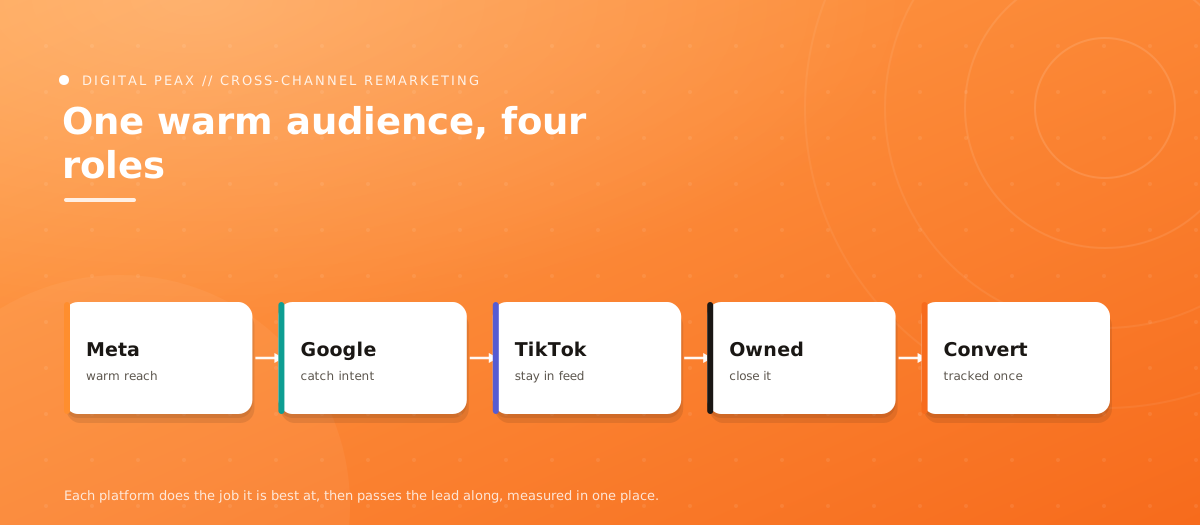
Most leads do not convert on the channel that first found them. Someone taps a Meta ad, reads for a minute, leaves, searches your name on Google the next day, then sees you again on TikTok before they ever fill in a form. Cross-channel remarketing is the discipline of planning that path on purpose instead of hoping it happens. Below is the sequence we run, and the measurement that stops it lying to you.
A lead is rarely a straight line. The person who becomes a customer usually meets you several times, in different moods, on different apps, before they act. If your retargeting only follows them on the one platform that happened to get the first click, you are leaving the rest of that warm audience to cool down. Cross-channel remarketing fixes that, but only if it is built as a single sequence with a single measurement layer behind it.
One channel is never the whole journey
Warm audiences scatter. The person who read your landing page is also scrolling Instagram at lunch, searching on Google when a deadline hits, and half-watching TikTok in the evening. Each platform only knows the slice of behaviour it saw. Meta can rebuild an audience of people who hit a product page through its Website Custom Audiences; Google can re-show ads to people who already visited when they search again; TikTok can retarget people who engaged with a video. None of them sees the full path. Your job is to be the one who does.
Segment by intent, not by pageview
The most common remarketing mistake is treating every visitor as one audience. A person who read a single blog post and a person who configured a quote and abandoned it are worth very different money, and they need very different messages. Before you touch a single ad, split the warm pool by behaviour:
- Top of funnel: blog readers, video viewers, social engagers. Cheap to reach, low intent, long recency windows.
- Mid funnel: product, pricing, or service-page viewers. Real interest, shorter windows, worth a stronger offer.
- High intent: add-to-cart, started-a-form, booked-then-cancelled. The smallest, hottest segment, measured in days, where you spend the most per head.
Each platform builds these the same way: a pixel or conversions signal plus an event, turned into an audience. Meta documents it under creating a Custom Audience from website events; TikTok under website traffic audiences. Build the segments once, reuse them everywhere.
The sequence we run
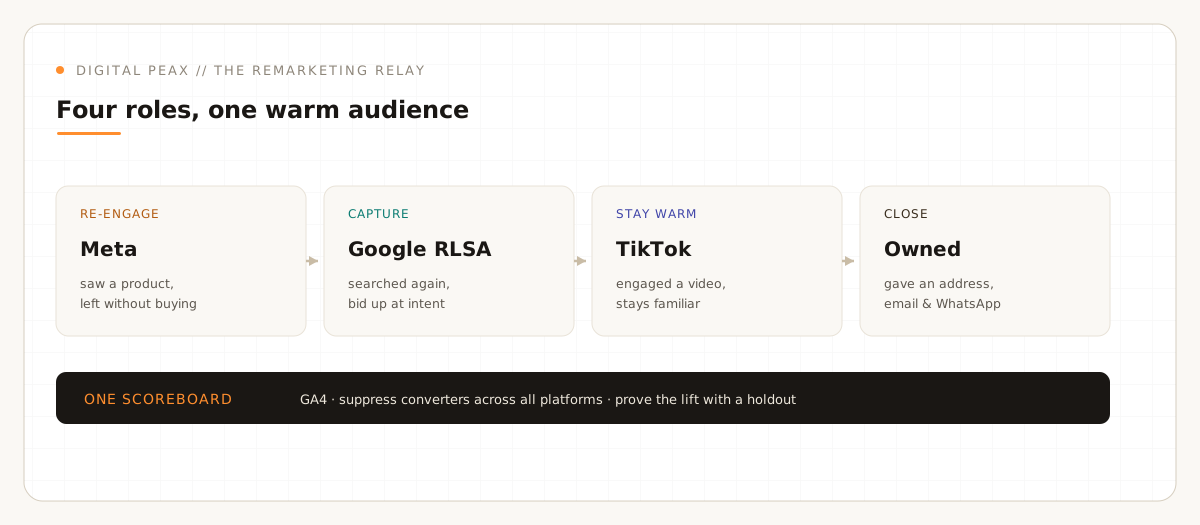
The order matters. We think of it as a relay: each platform does the part it is best at, then hands the runner to the next.
1. Meta: warm reach and dynamic re-engagement
Meta is where most warm audiences spend idle attention, so it carries the first re-engagement. Dynamic ads put the exact product or service someone viewed back in front of them, and Advantage+ audience lets you seed the system with your custom audiences while it looks for more of the same. Keep the creative tied to what they actually saw, not a generic brand spot.
2. Google: catch the intent moment
When that warmed-up person later types your name, or a problem you solve, into Google, you want to be there at full strength. Remarketing lists for search ads (RLSA) let you bid more aggressively, or write different copy, for searchers already on your remarketing lists. Pair it with airtight brand-term coverage: a competitor bidding on your name at the exact moment your Meta ad sent someone looking is the most expensive leak in the funnel.
3. TikTok: stay in the feed
TikTok keeps the brand present between the high-intent moments. Retarget site visitors and people who engaged with your videos with native, creator-style content rather than a recycled display banner. The goal here is not the click. It is staying familiar so the next Google search or email actually converts.
4. Owned channels: close where it is cheapest
The cheapest, highest-intent channel you own is the one you already paid for: email, WhatsApp, and your CRM. A lead who gave you an address or a number should be nurtured there in parallel with the paid sequence, not instead of it. Owned channels carry no media cost and convert the warmest audience you have, so they should always be doing the closing work the ads set up.
Frequency and suppression: do not become the ad they hate
The fastest way to waste a remarketing budget is to show the same person the same ad forty times. Two rules keep it civil. First, cap frequency per platform and rotate creative before fatigue sets in. Second, and more important, suppress converters: the moment someone becomes a lead or a customer, exclude them from the prospecting and early-funnel audiences so you stop paying to acquire someone you already have. Suppression lists are also how you move people forward, out of the "viewed pricing" audience and into the "nurture the signed lead" one, instead of looping them.
Measuring without counting the same sale three times
Here is the part most teams get wrong, and the reason cross-channel remarketing gets a bad name. Every platform claims credit in its own attribution window. Run Meta, Google, and TikTok against the same warm audience and each will happily report the same conversion as its own. Add the dashboards up and you have "sold" the thing three times.
The fix is to stop trusting in-platform numbers as the source of truth. Pick one measurement layer, for us that is GA4 with server-side tagging, and judge the whole sequence there on a data-driven attribution model rather than last click. Then prove the sequence is actually incremental with a holdout: keep a slice of the warm audience out of the remarketing entirely and compare conversion rates. If the exposed group does not beat the holdout, you are paying to reach people who would have returned anyway. We walk through that test in why your ROAS is lying to you, and the tracking it depends on in our GA4 setup.
The rule that keeps it honest: the platforms compete for credit, so you have to own the scoreboard. One source of truth, suppression to de-duplicate, and a holdout to prove it. Then the sequence stops flattering itself.
Putting the relay together
- Define the warm segments first, top, mid and high intent, and build them once in each platform.
- Assign each platform its role in the relay instead of running the same retargeting everywhere.
- Set frequency caps and, non-negotiably, suppress converters across all platforms.
- Judge the whole sequence in one analytics layer, not three ad dashboards.
- Run a holdout before scaling, so you are buying incremental conversions, not re-buying ones you already had.
Done this way, cross-channel remarketing stops being three platforms shouting over each other. It becomes one coordinated push that meets a lead wherever they happen to be, and one you can actually defend in a budget review. Building and running that relay is the day-to-day of our performance marketing services.
Sources
The Peax Brief
One sharp idea on data-driven growth, every other week. No spam, unsubscribe anytime.