 Digital Peax
 Server-side tracking: what it fixes and what it does not
 By
By 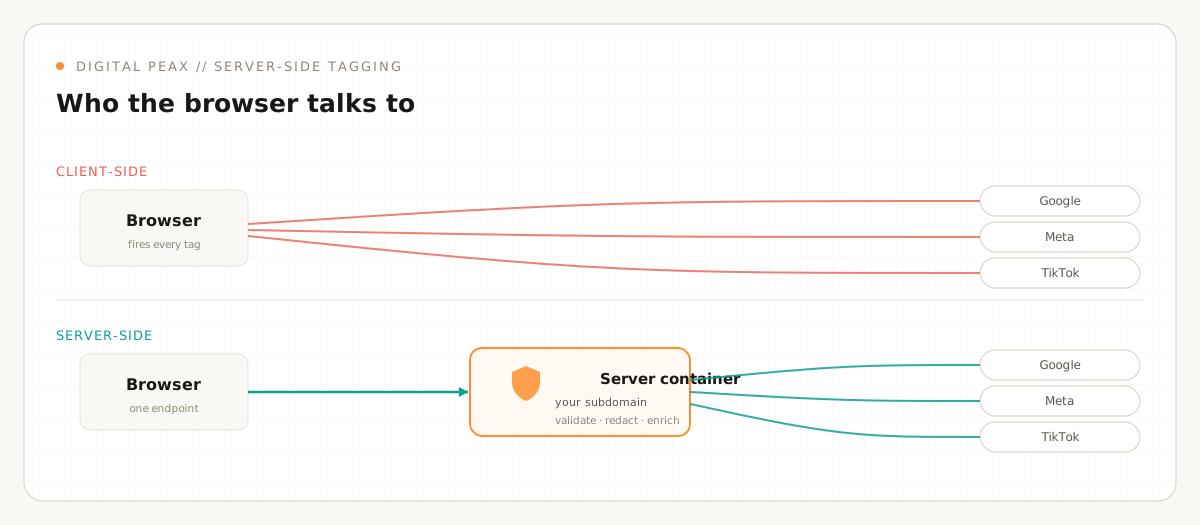
Server-side tracking is the most over-sold idea in measurement right now. It is genuinely useful, and it is not the cookie-and-consent miracle the sales decks imply. This piece covers what running a server container actually fixes, what it quietly does not, and how we decide whether it earns its place.
The setup is simple to describe. Instead of the browser firing tags straight to Google, Meta and everyone else, it sends data to a server container you control, usually on your own subdomain, and that container forwards to each vendor. Google calls this server-side tagging, and its fundamentals documentation is refreshingly honest about the trade-offs.
What it genuinely fixes
Three things, and they are real.
- Control over what leaves. In the server container you see every request before it goes to a vendor, so you can validate, redact, anonymize or block it. Margins, internal IDs and email addresses can be used for enrichment without ever being exposed in the browser. This is the strongest argument for server-side, and it is hard to replicate any other way.
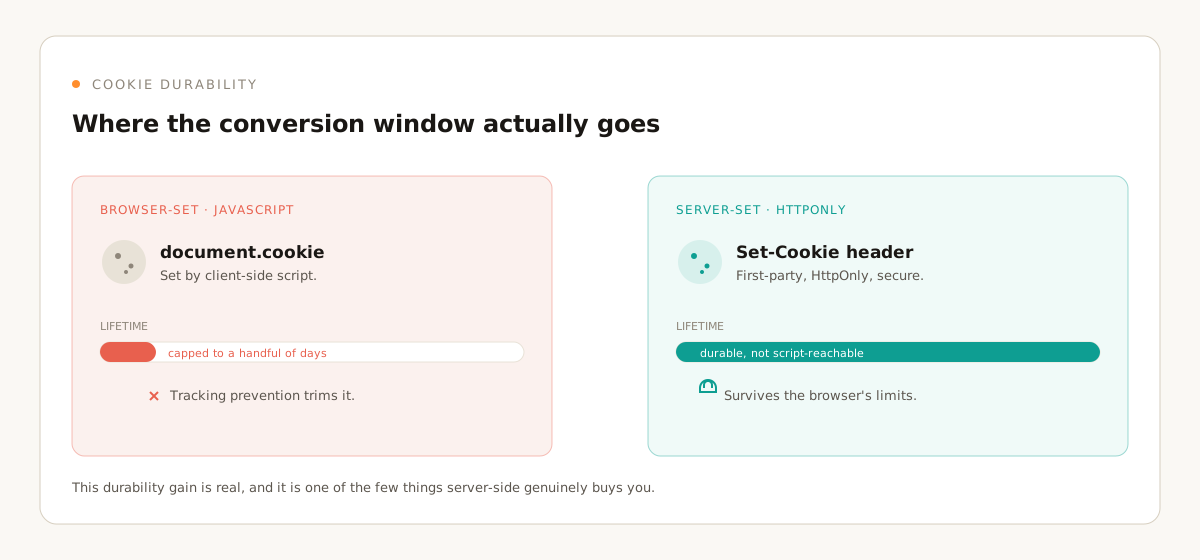
- Cookie durability. Cookies set by JavaScript in the browser are exactly what Safari’s Intelligent Tracking Prevention targets, capping their lifetime to a handful of days. A first-party cookie set by your server with the HttpOnly flag is more durable and is not reachable by client-side scripts, so your returning-visitor and conversion windows stop collapsing.
- Performance and surface area. Moving vendor tags off the page means the browser talks to fewer third-party domains, which is good for speed and lets you tighten your content security policy.
What it does not fix
This is where the pitch quietly overreaches.
- It is not a consent workaround. The most common myth is, we only ask consent for cookies, server-side does not use browser cookies, so we do not need consent. That is wrong. Moving processing off the device does not change your legal basis: if you collect or use personal data, GDPR still requires consent and transparency. Server-side done responsibly reads the same consent state and honors it. Done irresponsibly, it is a compliance problem wearing a technical costume.
- It does not fix a bad data model. If your events are messy and your key events are undefined, a server container just forwards the mess faster. Garbage in, garbage forwarded.
- It is not free or hands-off. Someone has to run, monitor and pay for the container. A misconfigured server-side setup can also hide breakage that a browser setup would have surfaced, so you trade some visibility for control.
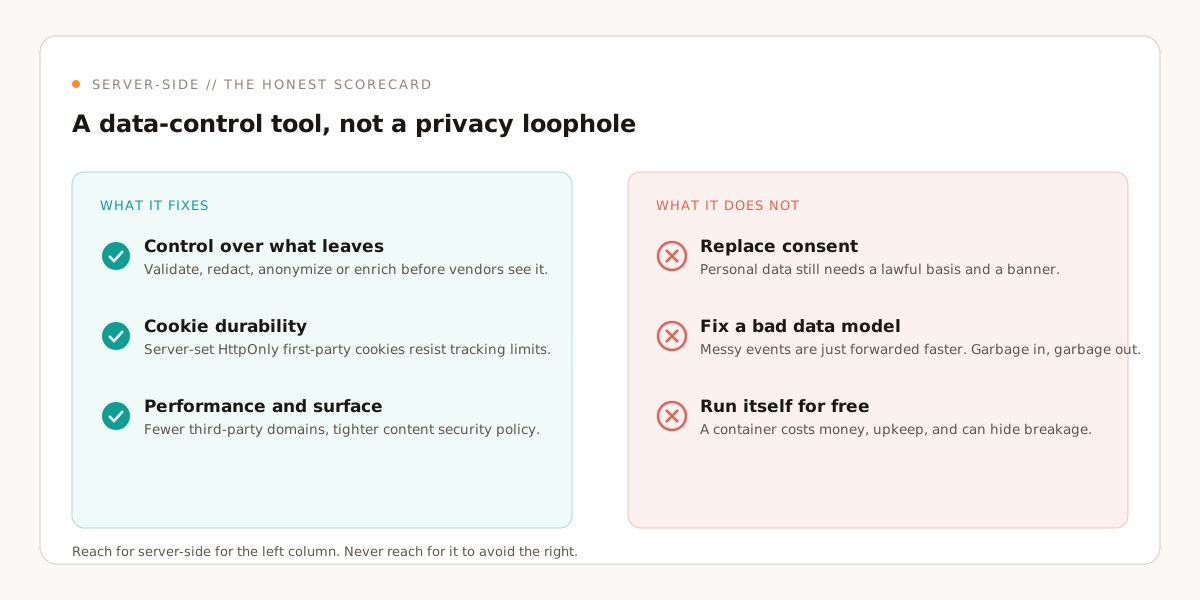
The honest summary: server-side tracking is a data-control and durability tool, not a privacy loophole and not a fix for sloppy measurement. Treat it as infrastructure, not magic.
When we actually reach for it
We turn it on when the upside is concrete: first-party data quality matters to the business, ad platforms are losing conversions to cookie decay, or we need to enrich events with server-only data like order margin for smarter bidding. We do not turn it on as a default, and we never sell it as a way to dodge a cookie banner. If your tracking is clean and your cookie windows are holding, a server container is cost and complexity you may not need yet.
Get the data model and consent right first. Then, if the numbers justify it, server-side is a sharp tool. In the wrong order, it is an expensive way to make the same mistakes with better uptime. Deciding whether and when it earns its keep on your stack is exactly the kind of call our analytics services make with clients.
Sources
The Peax Brief
One sharp idea on data-driven growth, every other week. No spam, unsubscribe anytime.